In today’s digital age, sending out sales emails is not just routine—it’s a rite of passage for B2B SaaS marketers.
But let’s be honest: not every email earns its moment of glory in the spotlight. Some fade into obscurity in crowded inboxes, while others stand out, capturing interest and sparking conversations.
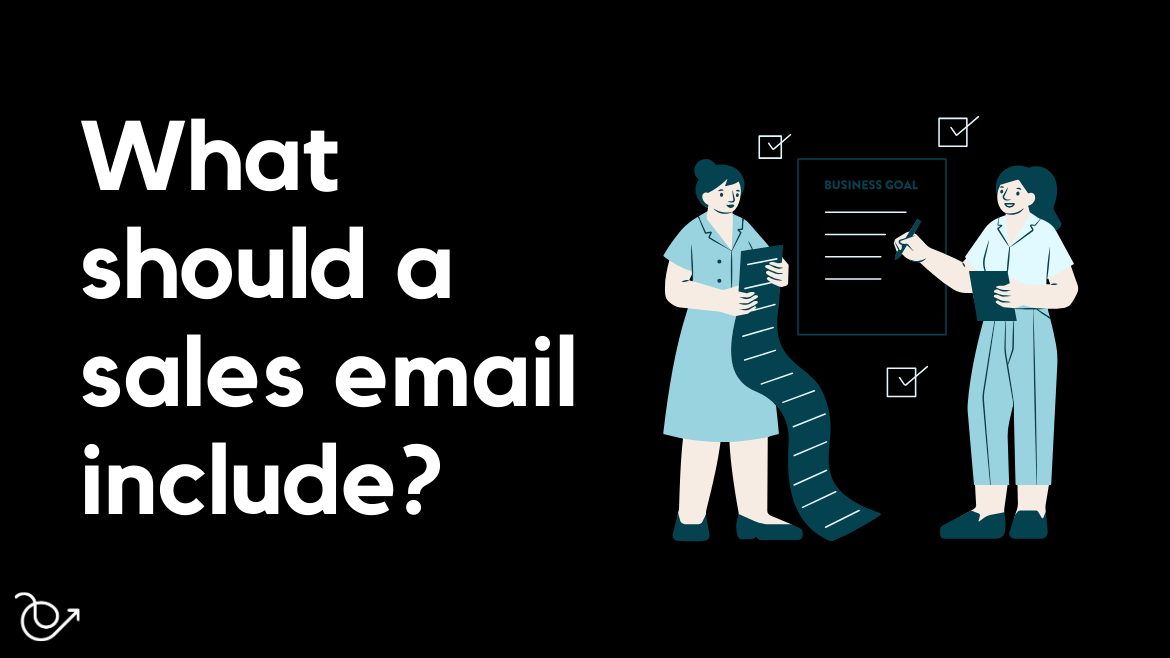
What are Sales Emails?
As a general rule, sales emails, especially in B2B SaaS, aren’t just informational—they’re persuasive as well. Approximately 20% of a minute is spent reading brand emails, according to a study, so you have limited time to showcase your pitch/offerings to prospects and make the most of it.
The purpose of sales emails is to introduce readers to your product/service and convince them of the tangible benefits they will reap from using your product/service.
It’s more than just words on a screen—your virtual business card, your digital elevator pitch. When you send a sales email, you’re saying, “Hey there, I’ve got this amazing solution that I believe can make your business life much easier. Want to chat about it?”
The aim? Well, it’s not just to showcase your fantastic software/service. It’s about painting a vivid picture of the tangible benefits the recipient’s business can gain. Thanks to your software/service, it’s about making them visualize a future where their tasks are smoother and their challenges are fewer.
So, a sales email is your golden ticket to kickstart a potentially fruitful business relationship. It’s your chance to make them stop, read, and think, “I need this.”
How to Make a B2B Sales Email Stand Out?
In an ocean filled with countless emails, how do you ensure yours is the one that gets caught in the net?
- Understanding Pain Points: Before anything else, deeply understand your potential client’s problems. Addressing these directly can catch their eye.
- Share Testimonials: Real experiences from real clients can offer authenticity to your claims.
- Add Value: Sometimes, offering a free eBook, a research paper, or even a small tip can make a big difference.
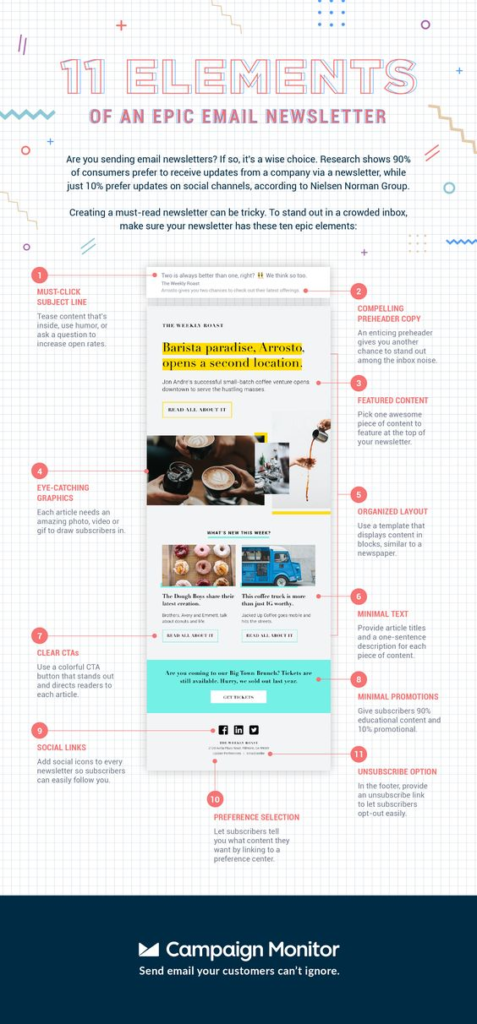
- Visual Appeal: Consider adding relevant images, infographics, or even GIFs (sparingly) to break the monotony.
- Stay Updated: Understand and integrate the latest industry trends into your conversation.
So, how do you craft an email that’s going to grab their attention?
Components of Effective Sales Emails
Learn the secrets of crafting impactful sales emails.
1. Subject Line
Think of your subject line as the teaser for a movie trailer. For instance, instead of saying, “You won’t believe this software!” you could intrigue with “How this brand transformed their operations with RevOps by 88%”. This grabs attention and resonates with those interested in operational strategies.
2. Opening
Imagine walking into a party and starting a conversation with a stranger. You’d likely begin with some common ground or an observation. Your email’s opening is no different.
It’s where you show your recipient that you’ve done your homework, know their challenges, and are not just sending a mass email.
A line like, “Recently, we collaborated with [Brand Name] and revamped their operational strategy with our RevOps expertise” can set the stage for engagement.
3. Company/Founder Background
Sharing a bit about your journey can humanize your email. Were there unique challenges your company overcame? How did you help your clients with your services?
Sharing a snippet of this story can make your message memorable. In this example, we included the Clutch profile where we have some authentic and amazing reviews from our past clients, “See the reviews they left for us on Clutch here”.
4. Offerings
Get to the heart of the matter. What’s the unique value you’re bringing to the table? Instead of a generic “Our software helps businesses,” zero in on specifics, such as “Our software has helped over 200 businesses streamline their data processes, reducing operational time by up to 50%.“
5. Pitch
Why should they choose you over competitors? What’s your USP (Unique Selling Proposition)?
Maybe it’s your award-winning user interface, or perhaps it’s the rave reviews from industry leaders. Share these tidbits.
For instance, “The result? An increase in leads, smoother operations and happier teams.”
6. Call to Action
Every good story needs a clear ending or, in this case, a clear next step. Instead of a vague
“Let us know if you’re interested,” guide them: “I believe [Lead’s Brand] has similar potential. Can we discuss this in detail next week?“
7. Personalization
Sprinkling in personalized elements can transform your email from ‘just another sales pitch’ to ‘this was meant for me.’
Mention their recent company milestone or an article they wrote. It shows you care.
8. Formatting
Remember, clarity is key. If your email looks like a dense novel, it’s likely going to be ignored. Use spacing, bullet points, and subheadings to give your readers’ eyes a break.
Study by Reply.io shows that emails with 2-3 paragraphs have better response rates than those with 4-5 paragraphs.
Dos and Don’ts of Sales Emails:
Do:
- Research your recipient: Understand their role, company, and industry.
- Follow-up, but don’t be pushy. Sometimes, people miss emails or get caught up in other tasks.
- Ask for feedback. If someone’s not interested, understanding why can be invaluable for refining your approach.
- Use soft CTA in the email rather than asking questions to the readers.
Don’t:
- Overwhelmed with too much information. Stick to the essentials and provide links for additional details.
- Neglect the mobile experience. Many people check emails on their phones—ensure yours looks good on all devices.
- Use jargon excessively. Keep your language simple and relatable.
To illustrate, let’s compare two fictional pitches:
Bad Pitch: “Want to revolutionize your paradigm and leverage the best-in-class synergies? Our software, which has many modules, can help.”
Good Pitch: “Looking for a simple way to manage your team’s projects? Our software, XYZ, offers an intuitive interface that teams love.”
Can you feel the difference? The latter is clear, straightforward, and focuses on the recipient’s potential benefit.
Final thoughts
In wrapping up, crafting the perfect B2B SaaS sales email is part art, part science. By keeping your recipient at the heart of your message, personalizing your approach, and ensuring clarity and authenticity, you’re on the right track to standing out in your inbox.
Remember, every email is a story waiting to be told. Make yours worth reading.