
In the dynamic world of business, change is the only constant. As markets evolve and consumer tastes shift, companies must adapt or risk being left behind.
One powerful strategy businesses employ to keep up with these changes is REBRANDING.
But what exactly is rebranding, specifically for B2B and when is the right time to do it?
Let’s understand this better.
What is Rebranding?
At its core, rebranding is the process of changing the corporate image of a company or organization. It’s a marketing strategy where a brand adopts a new identity through a new name, symbol, or design.
This change aims to create a different identity in the minds of consumers, stakeholders, competitors, and other entities.
Types of Rebranding
Broadly speaking, there are two main types of rebranding.
Partial rebranding
When a company does a partial rebrand, it changes some things about its brand identity, but keeps its core beliefs, mission, and vision the same.
It’s like refinishing the outside of a house but keeping the inside intact.
Examples of partial rebrandings:
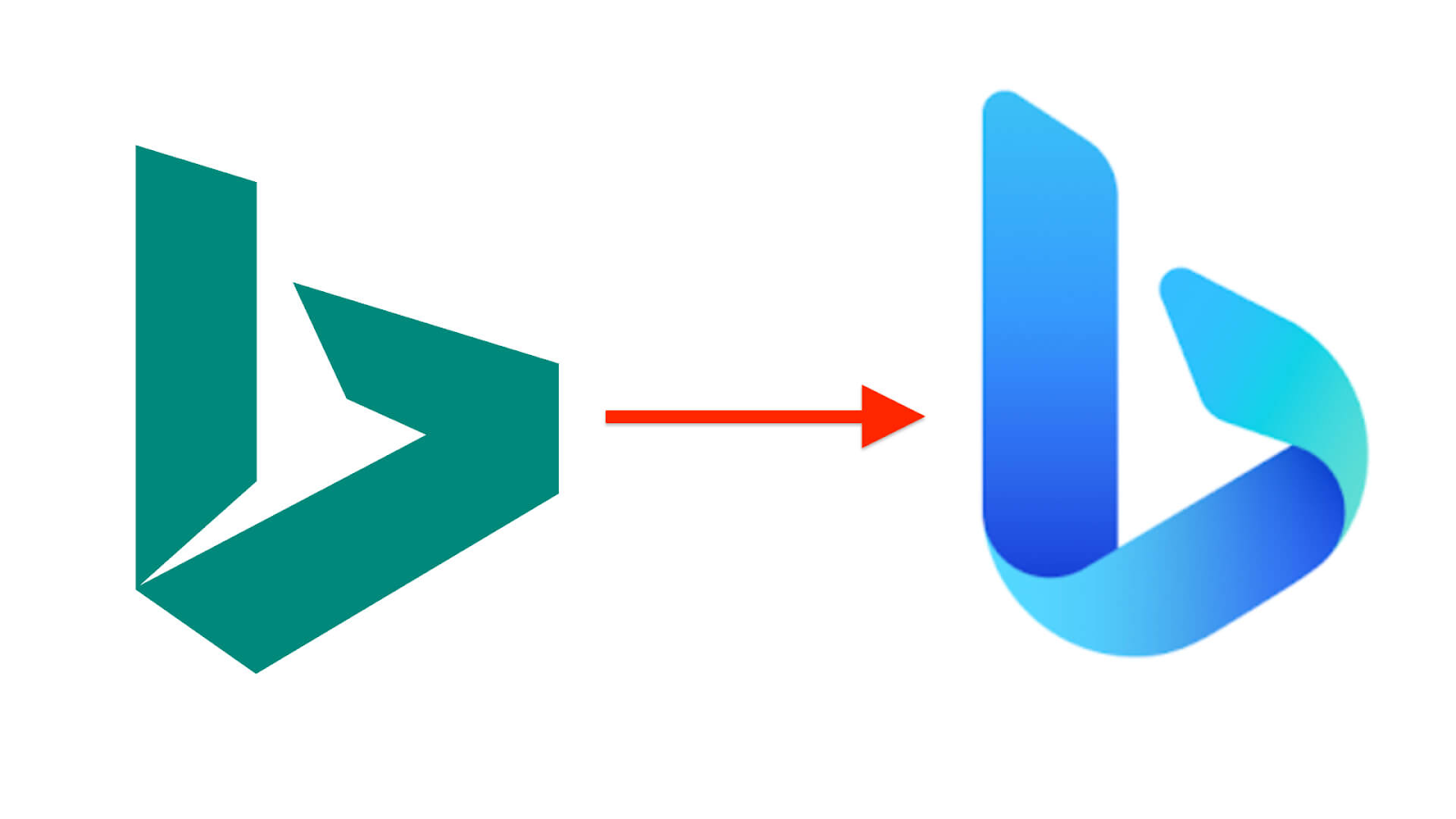
Microsoft’s search engine was originally just called “Bing,” but it rebranded in 2020 to “Microsoft Bing” along with a new logo. Bing’s goal was still to deliver effective search results, but this was a brand alignment with Microsoft’s entire product suite.
One of the most talked-about examples is Instagram’s 2016 logo change. While the company chose a new, simplified, and modern gradient logo, its core services and values remained.

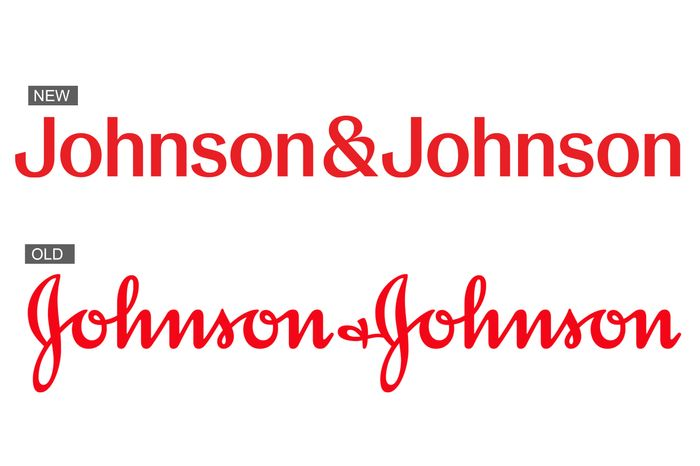
Most recently, Johnson & Johnson rebranded their logo after 130 years of being in business. The new logo represents their progressive approach to cutting-edge medical technology and pharmaceuticals.
Total Rebranding
Imagine demolishing an old structure and erecting a brand-new one. That’s what it means to transform a company’s identity.
It includes changing its logo, name, core values, mission, vision, and other foundational elements.
Examples of total rebrandings
These rebranding efforts are taken to reflect changing market dynamics, customer preferences, or a revised company vision in B2B.
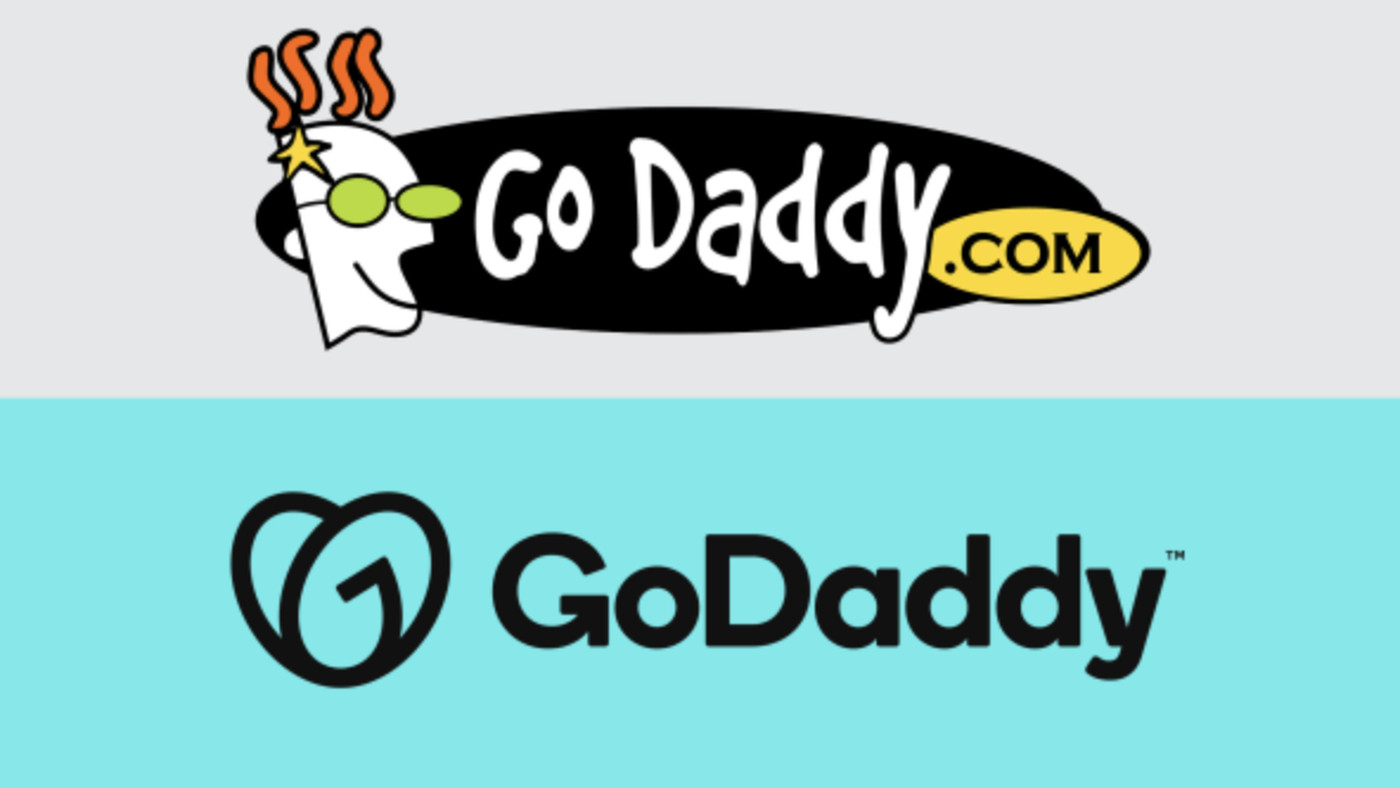
Originally known for its provocative ads, GoDaddy underwent a complete rebranding in 2019 to shed its previous image. The B2B brand introduced a new logo and shifted its messaging to empower entrepreneurs everywhere.
A move from boxed software to subscription-based software was signaled by Adobe’s transformation of the Creative Suite into the Creative Cloud (2013).
In addition to the name change, Adobe is a B2B brand that changed how creative tools were accessed and used.


In a major shift, Facebook rebranded itself as Meta in 2021, emphasizing its vision for the metaverse’s future, along with a new logo that represents endless possibilities.
Why Do B2B Companies Choose to Rebrand?
B2B companies, like their B2C counterparts, need to ensure they remain relevant and appealing to their target audience.
Some pivotal reasons that drive B2B rebranding include:
1. Confusion Within the Team
A clear brand message is for more than just customers. If the team within the company doesn’t understand or connect with the brand, it can lead to inconsistencies in how the brand is presented and perceived.
2. The Winds of Change
The recent pandemic has been a stark reminder of the unpredictable nature of business. It has made executives reconsider the value their brand brings to the table.
For some, this introspection has led to the realization that their brand might fall short in these circumstances.
3. Outdated Brand Image & Lack of Relevance
Markets evolve, and what was once considered cutting-edge can quickly become dated.
If a brand feels it’s no longer resonating with its target audience or reflecting its current offerings, rebranding can be a solution.
4. Mergers, Acquisitions, and Leadership Shifts
When two companies become one or when there’s a significant change in leadership, it often necessitates a relook at the brand to ensure it encapsulates the new direction or combined values.
Rebranding is about forging a more potent and pertinent bond with customers and potential clients. It’s a rejuvenation, a recommitment to the brand’s core promises.
Laying the Groundwork for a B2B Rebrand
Before embarking on the rebranding journey, it’s paramount to establish a clear understanding of the brand’s current standing. This involves:
Step 1. Research: Delve deep to understand how the brand is perceived externally by clients and partners and internally by employees and stakeholders.
This provides a comprehensive view of what needs change and what should remain untouched.
Step 2. The Three Pillars – Be, Do, Say: Rebranding is more than just aesthetics; it’s about ethos. Companies should focus on these three guiding words:
- Be: Discover the brand’s genuine identity and stay true to it.
- Do: Actions speak louder than words. Ensure that the brand promises are reflected in the company’s actions.
- Say: Communicate the brand’s values and promises clearly and consistently.
In B2B, rebranding is a delicate dance between preserving a brand’s legacy and adapting to market changes.
In order to create a stronger, more relevant connection with their audience, B2B companies must be strategic, introspective, and genuine in their approach when rebranding.
What Are Some Potential Risks Associated With Rebranding?
There are several risks associated with rebranding. Here, we explore these risks in a friendly, digestible manner.
1. Losing Existing Customers
One of the biggest risks is alienating your loyal customer base. They’re attached to your brand, so any drastic changes might make them feel disconnected.
Imagine coming home one day and finding all the furniture rearranged – that would take some getting used to!
#TCCRecommends: How to increase your retention rate?
2. High Financial Costs
This involves redesigning packaging, updating marketing materials, training staff about the new brand message, and more.
These activities can quickly accumulate costs, and there needs to be a guarantee of returns.
3. Mixed or Confused Messaging
If your brand isn’t consistent across all platforms or your messaging isn’t clear, you might leave your audience wondering what you’re all about.
Rebranding can be a great way to capture new markets and reinvigorate a company. However, it comes with some risks, so be careful.
Approaching Rebranding: Questions to Ask
Before diving into the rebranding process, here are some crucial questions every business should ask itself:
- Why are we considering rebranding? Understand the core reason behind the need for change.
- What do we hope to achieve? Define clear objectives for the rebrand.
- How do our customers currently perceive us? Understanding the current brand perception will guide the direction of the rebrand.
- What elements of our brand are working, and what aren’t? This helps in deciding between a partial or total rebrand.
- How will we measure the success of our rebranding efforts? Set measurable KPIs to track the effectiveness of the rebrand.
Conclusion
Rebranding is not just about changing a logo or a tagline. It’s a strategic decision that can propel a brand forward, align it better with market demands, or help it recover from setbacks. However, it’s crucial to approach rebranding with a clear understanding of its reasons and a vision for the brand’s future.
After all, in the words of Jeff Bezos, “Your brand is what other people say about you when you’re not in the room.” Make sure they’re saying something good!