Table of Contents
In Short
As I progressed in the profession of marketing, I came across the concept of A/B testing. Of course, I was clueless about it then. I would have stayed clueless had I not got good mentors.
With time, this is what I understood about A/B testing.
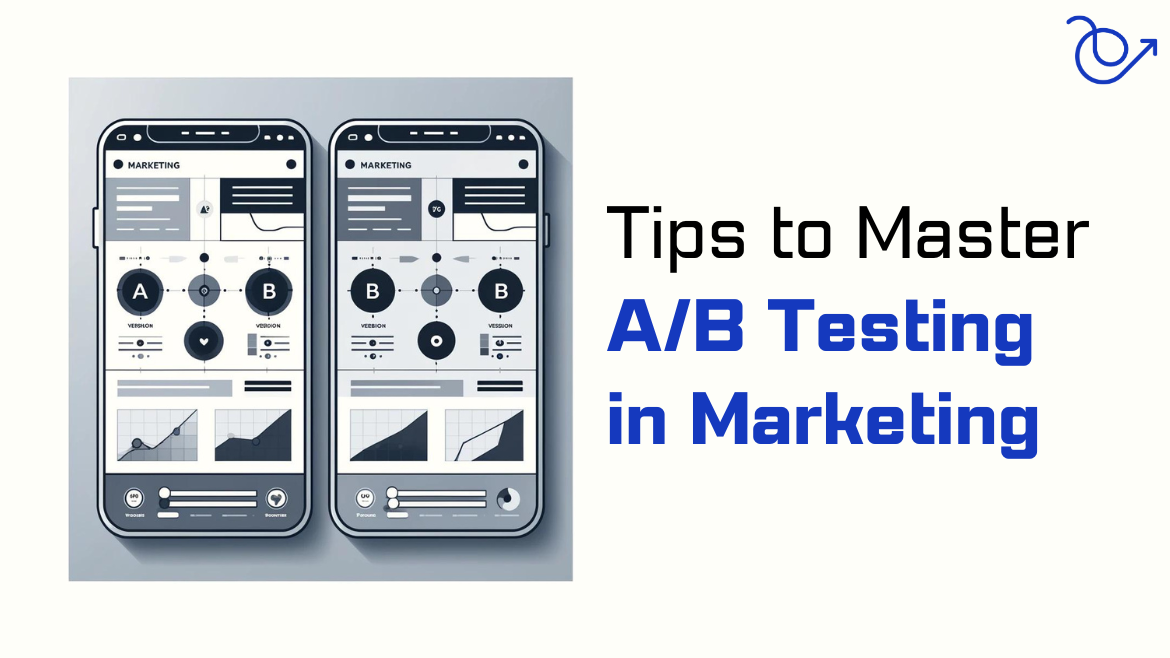
A/B testing in marketing is a fundamental strategy used to refine and optimize every aspect of marketing campaigns, from email subject lines and ad copy to website design and long-form content.
Once you compare two versions of a single variable, marketers can make data-driven decisions that significantly enhance the effectiveness of their campaigns.
This blog explores the history, benefits, types, and strategies of A/B testing in marketing, providing you with actionable tips and examples to improve your testing process.
A Brief History of A/B Testing
Now, the concept of A/B testing dates back to the early 20th century, primarily used in agricultural and clinical trials.
The method gained prominence in marketing with the rise of the digital era, where the speed and scale of online platforms made it possible to conduct tests quickly and efficiently.
Not surprisingly, Google and Amazon were among the pioneers in the 2000s, using A/B testing to refine user experiences and increase conversions, setting a standard that many businesses follow today.
What are the Benefits of A/B Testing?
So, A/B testing offers numerous benefits that make it an essential tool in the marketer’s toolkit.
- Improved Content Engagement: Testing different versions of content enables the marketers to identify which formats, headlines, or images resonate best with the audience, leading to higher engagement rates.
For example, BuzzFeed often tests multiple headlines for the same story and sticks with the version that shows the highest engagement rate. - Enhanced User Experience: A/B testing allows marketers to refine website elements, ensuring visitors have a seamless and intuitive experience, which can significantly reduce bounce rates and improve the path to conversion.
According to a VWO report, A/B testing on landing pages can improve conversion rates by up to 30%. - Increased Conversion Rates: By optimizing call-to-action buttons, forms, and other conversion-related elements, businesses can increase the percentage of visitors who complete a desired action.
For example, HubSpot found that anchor text CTAs increased conversion rates by over 120% compared to traditional CTA buttons.
#TCCRecommends: Take our expert tips on optimizing your landing pages. - Reduced Cart Abandonment: E-commerce sites use A/B testing to discover the most effective checkout processes, reducing cart abandonment and increasing sales.
A Baymard Institute study revealed that optimizing checkout design can lead to a 35% increase in conversion rates. - Informed Decision-Making: With empirical data on what works and what doesn’t, businesses can make more informed decisions, reducing the risks associated with new initiatives.
Types of A/B Testing in Marketing
A/B testing can be applied in various forms, depending on the goal and the marketing channel:
- Email Marketing: Testing elements like subject lines, email layouts, or call-to-action buttons to improve open and click-through rates.
- Ad Performance: Modifying headlines, images, or ad copy in PPC campaigns to identify what drives better engagement and higher conversion rates.
- Website Optimization: Experimenting with different layouts, navigation paths, or content styles to enhance user experience and conversion metrics.
- Content Marketing: Varying the length, format, or visuals in blog posts or videos to see which versions keep the audience more engaged. Did you know how content marketing works, by the way?
Tips and Strategies for Effective A/B Testing in Marketing
Here are some tips to master A/B testing in marketing.
1. Define Clear Objectives
Clear goals ensure that your A/B test is focused and measurable.
Start by identifying a single metric to improve, such as the click-through rate (CTR) for an email campaign.
2. Select the Right Variables
Testing the right variable can provide significant insights into what impacts user behavior.
If open rates are low, test subject lines; if conversion is the issue, test different call-to-action texts.
#TCCRecommends: Here are some unknown tips to boost your email open rates.
3. Ensure Statistical Significance
This is important to ensure that your results are not due to chance.
Use a sample size calculator and set a confidence level (typically 95%) before running your test.
4. Segment Your Audience
Now, different segments may react differently to the same changes.
So, segment your audience based on demographics or past behavior to identify how different groups respond.
5. Test One Variable at a Time
This tip helps pinpoint exactly which change affects the results.
If testing email subject lines, keep the content and sender name constant.
6. Use the Right Tools
The right software can simplify the testing process and enhance accuracy.
Tools like Optimizely and VWO can provide robust A/B testing frameworks.
7. Monitor and Analyze Results
Continuous monitoring helps you catch any deviations early and analyze data for insights.
Look beyond primary metrics; analyze secondary metrics to understand broader impacts.
8. Learn and Iterate
Every test provides learning opportunities, whether a hypothesis is confirmed or not.
Document learnings and apply them to future tests to continuously refine your strategies.
How Marketing Consultants Can Enhance A/B Testing?
To be honest, marketing consultants like TCC bring expert insights that can refine A/B testing strategies significantly.
They help identify the most impactful variables, design scientifically sound tests, and interpret data to provide strategic recommendations.
With their expertise, businesses can optimize their marketing efforts for higher conversions and better ROI.
Conclusion
A/B testing is a powerful tool that allows marketers to make data-driven decisions that boost the effectiveness of their campaigns.
By understanding its history, benefits, and types, and by following strategic tips, marketers can significantly improve their A/B testing processes, leading to enhanced marketing performance and business growth.
- My pipeline is dry
- 11/08/2026
Lead count is a comfort metric. Why full pipelines produce flat revenue, and what to measure instead.
- 6 minutes reAD
- My pipeline is dry
- 04/12/2025
From awareness to decision-making, this article explains how content length influences trust, education, and buying confidence.
- 7 minutes reAD

- My pipeline is dry
- 05/11/2025
SaaS events aren’t one-size-fits-all. Discover how founders and CMOs are using trade shows and self‑hosted formats to fuel brand and pipeline growth.
- 11 minutes reAD
Read it before your competitors do.
Reading is one thing. Fixing is another.
If something you read here sounds like your business, get on a call. We will show you exactly what to do about it.
3 new clients a quarter. That is all we take.
3 in 4
Clients come back for more
11 weeks
From stuck to a working revenue system