Table of Contents
In Short
Sometime ago, a prospect came and asked us to help them optimize their sales operations.
Being up for it (since you know that’s kind of my thing), I asked them for the length of their sales cycle.
Needless to say, they were clueless about it.
You saw what I did there, didn’t you? 😉
Now, why did I ask him that? Because sales cycle optimization is also a part of optimizing sales operations.
What is Sales Cycle Optimization?
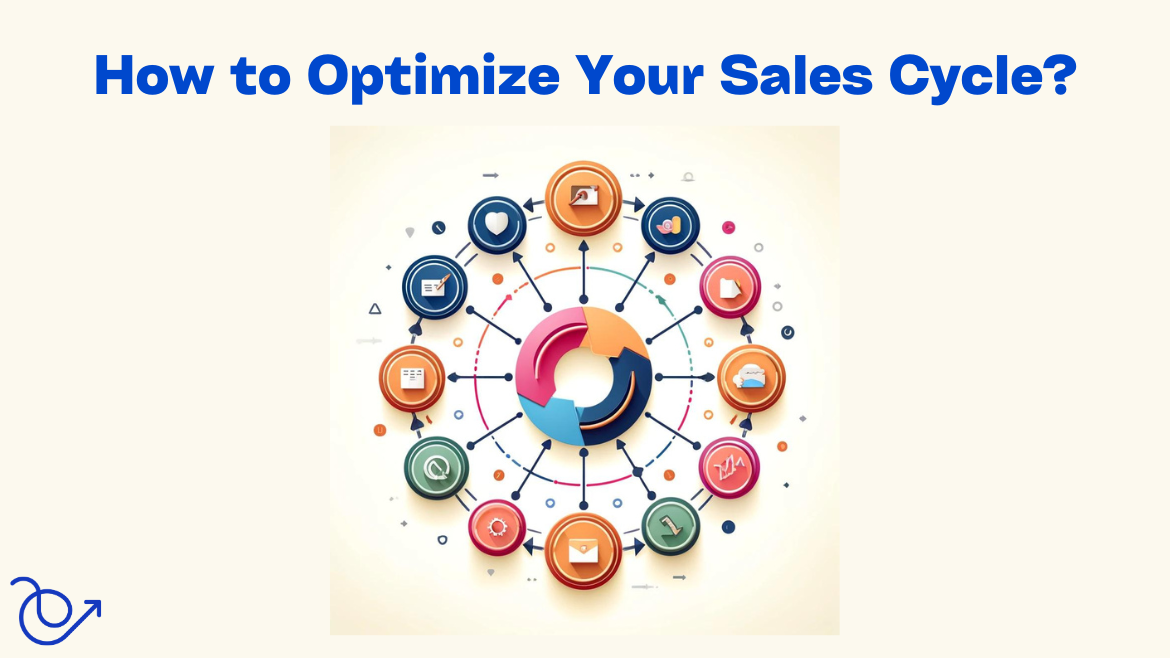
Sales Cycle Optimization, often abbreviated as SCO, is a strategic approach aimed at improving the efficiency and effectiveness of the sales process.
In the context of B2B SaaS, it involves a series of steps designed to shorten the sales cycle, enhance the conversion rate, and ultimately, increase revenue.
Now, the primary focus of sales cycle optimization is to streamline the sales process, eliminate bottlenecks, and ensure a smooth transition from one stage of the sales cycle to the next.
Benefits of Sales Cycle Optimization
Sales cycle optimization for B2B SaaS offers a plethora of benefits. It not only helps in reducing the time taken to close a deal but also improves the overall customer experience.
It enables sales teams to focus on high-quality leads, thereby increasing the chances of conversion.
Moreover, it provides valuable insights into the sales process, helping businesses identify areas of improvement and make informed decisions.
Understanding the Sales Cycle
Here is what the sales cycle consists of.
Stages of the Sales Cycle
The sales cycle in B2B SaaS typically consists of several stages:
- Prospecting: This is the initial stage where potential customers or leads are identified.
- Qualifying: Here, the identified leads are assessed to determine their likelihood of becoming customers.
- Presenting: In this stage, the product or service is presented to the potential customer.
- Negotiating: This involves discussions on pricing, terms, and conditions.
- Closing: The final stage where the deal is closed and the product or service is sold.
Key Components of the Sales Cycle
The sales cycle is made up of several key components, including:
- Sales Strategy: This involves defining the target market, identifying potential customers, and developing a sales approach.
- Sales Process: This includes the steps involved in moving a lead from the prospecting stage to the closing stage.
- Sales Tools: These are tools and technologies used to support the sales process, such as CRM systems and sales analytics tools.
Identifying Key Metrics
Important Metrics to Track
In sales cycle optimization, it’s crucial to track certain metrics. These include:
- Sales Cycle Length: The average time it takes to close a deal.
- Conversion Rate: The percentage of leads that convert into customers.
- Lead Velocity Rate: The speed at which leads move through the sales cycle.
#TCCRecommends: If you are new to the sales field, or want to know more about these terms that are common, check out the sales glossary that we have put together.
Analyzing Sales Data
Analyzing sales data is a critical step in sales cycle optimization. It helps identify trends, patterns, and areas of improvement. This can be done using sales analytics tools, which provide insights into sales performance, customer behavior, and market trends.
Disadvantages of a Long Sales Cycle
A prolonged sales cycle in B2B SaaS has significant disadvantages:
- Increased Costs: Longer sales cycles tie up resources, including time and personnel, which could be allocated elsewhere.
- Cash Flow Challenges: Delayed closures impact cash flow, crucial for the operational health and growth of SaaS companies.
- Lost Opportunities: While sales teams are tied up, opportunities for new business might be missed.
- Customer Frustration: Prospective clients might lose interest or look to competitors with faster, more efficient processes.
So, why optimize your sales cycle?
Importance of Sales Cycle Optimization
Optimizing the sales cycle is vital for several reasons:
- Efficiency: Streamlining the sales process reduces operational costs.
- Competitive Edge: A smoother, quicker sales cycle can distinguish a SaaS provider in a competitive market.
- Improved Customer Experience: A refined sales process improves customer satisfaction, enhancing retention and referral rates.
- Scalability: An optimized sales cycle is easier to replicate and scale, crucial for growing SaaS companies.
Strategies to Optimize Your B2B SaaS Sales Cycle
Here are effective strategies and tips to shorten and improve the efficiency of your sales cycle:
1. Enhance Lead Qualification
Action: Implement scoring systems to prioritize leads based on their engagement and demographic information.
Example: Use automated tools like HubSpot or Salesforce for lead scoring based on specific actions, such as website visits, downloads, or webinar attendance.
2. Streamline Your Sales Process
Action: Remove redundant steps and automate routine tasks.
Example: Automate proposal and contract generation using tools like PandaDoc, which integrate directly into your CRM.
3. Improve Sales and Marketing Alignment
Action: Ensure both teams are synchronized on messaging, lead qualifications, and follow-ups.
Example: Regular alignment meetings and shared KPIs can keep both teams on the same page.
#TCCRecommends: In case you didn’t know, TCC can help you with this alignment and the whole nine yards that come with it with our revenue operations consulting.
4. Utilize CRM and Automation Tools
Action: Leverage CRM systems to maintain detailed records of customer interactions and automate follow-ups.
Example: Platforms like Zoho CRM can trigger automatic emails or alerts based on customer activity or inactivity.
5. Focus on Educating Your Prospects
Action: Provide valuable content that addresses common questions and challenges related to your SaaS product.
Example: Create a series of educational emails or a knowledge base that helps prospects understand your product’s benefits.
#TCCRecommends: This and all the more reasons to have a knowledge base for your SaaS brand.
6. Shorten Approval Times
Action: Simplify decision-making by offering limited-time discounts or incentives for early decision-makers.
Example: Offer a 10% discount for contracts signed within a week of the proposal date.
7. Collect and Act on Feedback
Action: Regularly collect feedback from lost deals to refine and improve the sales process.
Example: Send out a feedback survey to prospects who chose not to buy and use this data to adjust your sales strategies.
Conclusion
Sales cycle optimization is a strategic approach aimed at improving the efficiency and effectiveness of the sales process.
The next steps for sales cycle optimization involve implementing the strategies and techniques discussed in this article.
This includes streamlining sales processes, automating manual tasks, leveraging technology, implementing sales automation, conducting regular training and development, measuring and tracking performance, and continuously improving the sales process.
- My demos don't close
- 28/08/2026
Most teams document the steps and skip the criteria. That is why reps still need you in the room before anything moves forward.
- 6 minutes reAD
- My demos don't close
- 18/08/2026
The thing that got you your first fifty customers is the thing capping you at the next fifty. Here is where the handoff actually breaks.
- 6 minutes reAD
- My demos don't close
- 04/08/2026
The five places B2B SaaS deals stall between demo and signature, and what fixes each one.
- 7 minutes reAD
Read it before your competitors do.
Reading is one thing. Fixing is another.
If something you read here sounds like your business, get on a call. We will show you exactly what to do about it.
3 new clients a quarter. That is all we take.
3 in 4
Clients come back for more
11 weeks
From stuck to a working revenue system